
Infra-Red Asphalt Patching
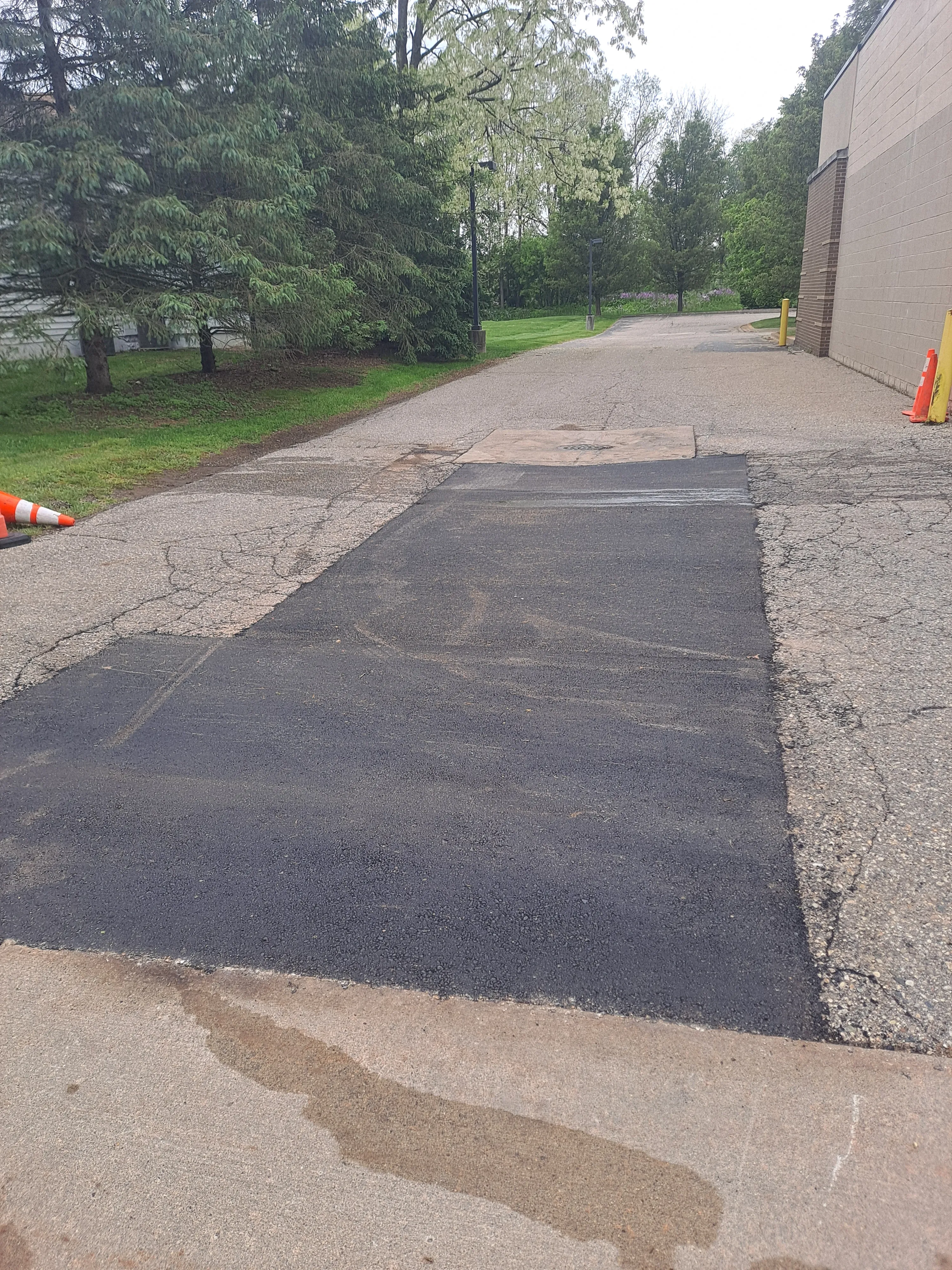
Infra-red patching is a premium, eco-friendly asphalt repair method that uses radiant heat to melt damaged asphalt back into a workable, liquid state before blending it with new material to create a seamless, monolithic weld.
Traditional "cut-and-replace" patching leaves open joints around every repair — seams where water immediately begins seeping in and undoing the work. Infrared heating permanently eliminates the seam between old and new asphalt: the edges of the repair are literally fused together as one continuous surface.
Because the existing asphalt is recycled in place, infrared repair uses less new material, generates almost no waste, and is significantly faster than saw-cutting. Repairs are typically ready for traffic within an hour of completion.
Infrared is ideal for potholes, low spots that hold water, failed utility patches, rough areas around drains and speed bumps, and surface damage in high-visibility areas where a clean, seamless finish matters.
The Benefits
Why It’s Worth It
Seamless weld
No joints between old and new asphalt means no path for water — the #1 cause of patch failure.
Eco-friendly
Existing asphalt is recycled in place, using less new material and producing minimal waste.
Fast turnaround
Most repairs are complete and ready for traffic within about an hour.
Clean finish
Blended, uniform repairs that look right in high-visibility drive lanes and entrances.
Our Process
How We Do It
- 1
Heat the area
An infrared heater brings the damaged asphalt back to a workable 300°F+ in minutes without scorching it.
- 2
Rake & blend
The softened asphalt is raked, failed material is removed, and fresh hot-mix is blended in.
- 3
Grade & compact
The blended patch is graded and compacted, welding new to old with no cold joint.
- 4
Ready in an hour
The monolithic repair cools quickly and is typically ready for traffic within the hour.
Related Services
Often Paired With
Sealcoating
A protective wear layer that shields your asphalt from sun, water, and chemicals — and restores that fresh, jet-black finish.
Crack Filling
Polymer-modified rubber, melted to 400°F and poured into prepared cracks — a flexible, watertight seal that stops freeze-thaw damage.
Line Striping
Crisp, highly visible markings for parking stalls, fire lanes, crosswalks, and ADA compliance — the finishing touch on a professional lot.